

What’s the connection between physical activity and attention?
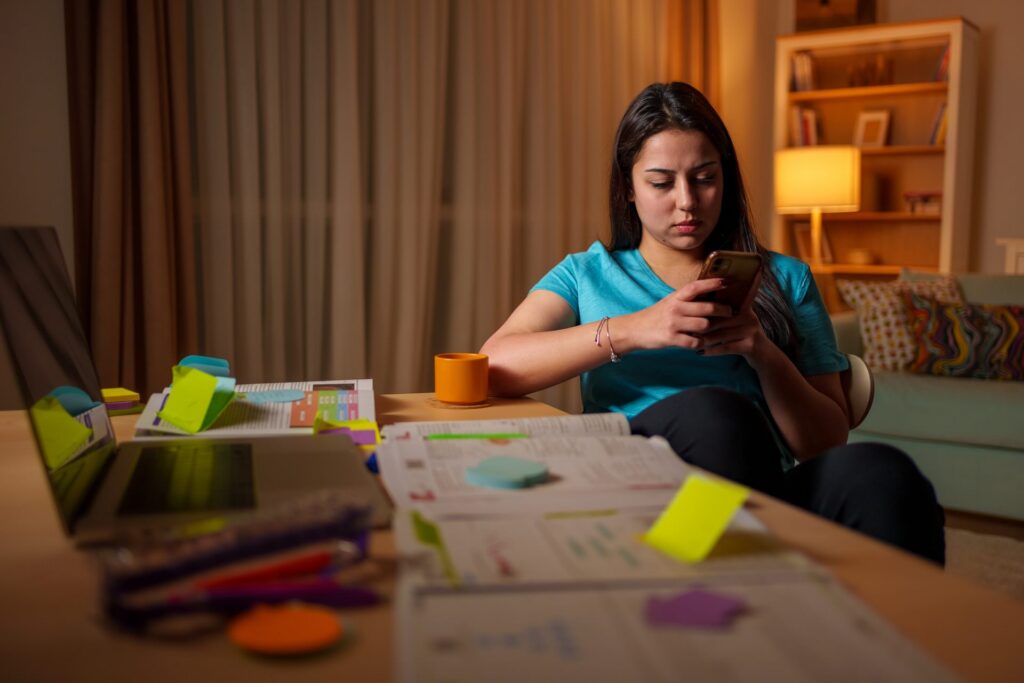
Does your child struggle to stay on task during homework? If you feel like you are constantly battling distractions, you are certainly not alone. Many parents feel the same frustration, but the solution might be simpler than you think: Physical activity.
While we often view movement as a way to burn off “extra energy,” it actually serves a much higher purpose. Science shows that physical activity directly impacts how children process information and sustain focus.
The Modern Challenge of Staying on Task
In an era of instant notifications and rapid-fire digital content, children’s brains are constantly overstimulated. This makes long-term concentration feel like an uphill battle. However, attention is not a fixed trait; it is a skill that your child can develop with the right tools.
How Physical Activity Reprograms the Brain
When a child engages in physical movement, their brain undergoes a positive biological shift. Exercise does more than get the heart pumping; it creates the ideal environment for learning by:
- Increasing Oxygen Flow: Physical movement delivers a fresh supply of blood and oxygen to the brain.
- Balancing Brain Chemistry: Activity boosts the chemicals that regulate mood and lower stress.
- Activating Focus Zones: It “wakes up” the specific regions of the brain responsible for memory and executive function.
In short, movement acts as a mental reset. It clears the “fog” that builds up during long periods of sitting, making it easier for kids to dive back into their work with clarity. That’s why many schools are looking to incorporate activity into the daily schedule and seeing results!
The Power of “Brain Breaks”
Many successful educators now use brain breaks, which are short, intentional bursts of activity, to improve classroom performance. These are not distractions; they are strategic tools for success.
Research shows that after just five minutes of movement, students:
- Return to their desks with renewed concentration.
- Feel significantly less restless and frustrated.
- Absorb and retain complex information more effectively.
Instead of trying to “power through” fatigue, try hitting the reset button. You will likely find it is easier to finish work faster and with fewer errors.
Active Learning: Making Lessons Stick
Learning is most effective when it involves more than just the eyes and ears. By engaging multiple senses and the body, we create stronger neural pathways. Consider these active learning strategies:
- Kinesthetic Review: Encourage your child to walk around the room while reciting facts or vocabulary.
- Tactile Tools: Use physical objects, like blocks or a whiteboard, to visualize math problems.
- Actionable Concepts: Let them act out a scene from a book or a moment in history.
Practical Tips for Home
You don’t need a gym or a playground to see results. Incorporate these small habits into your daily routine to help your child refocus:
- The 20-Minute Rule: Break homework into 20-minute chunks followed by a 5-minute movement break (like jumping jacks or a quick stretch).
- Outdoor Transitions: Spend ten minutes outside before starting afternoon study sessions.
- Flexible Seating: Allow your child to stand up or use a yoga ball while reading to keep their core engaged.
Building Long-Term Success
Improving attention is a marathon, not a sprint. It requires patience and a shift in perspective. If your child is struggling to concentrate, the answer isn’t always to “sit still.” Often, the best way to help them focus is to let them move.
By integrating physical activity into their learning routine, you provide them with the tools they need to excel both in and out of the classroom.
Looking for a learning environment that understands how children truly learn? At GradePower Learning, we use structured, engaging approaches that recognize when a student needs a mental reset to perform their best.