
Social media is a large part of life for students: for many, social media apps are where they socialize, share ideas, and explore their interests. In fact, research shows that nearly 90% of teens are online daily. While social media platforms offer a way to stay connected, the constant stream of notifications can often get in the way of meaningful learning.
Yes, social media can be a positive; however, it is also linked with negative effects on mental health and declining academic outcomes. This effect is especially true during adolescence, when overuse of social media has been linked to depression, anxiety, and reduced cognitive performance.
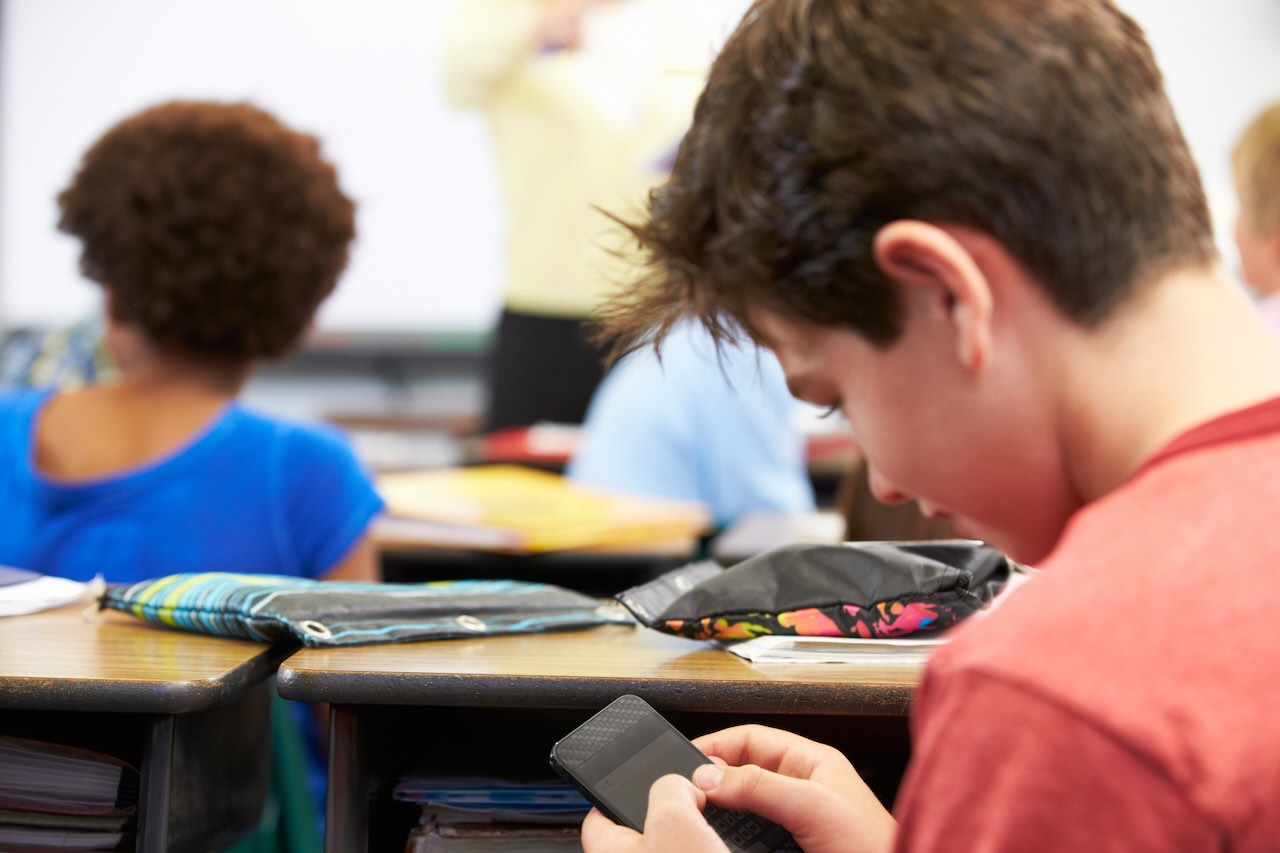
Teachers report that phone use during class time is the biggest classroom distraction, negatively affecting student learning. It’s for this reason that many schools are moving to ban cellphones and social media usage during class time. Schools across the US are adopting policies to limit cellphone access in school. In fact, over 30 states now have policies governing cellphone use in schools, with more state-driven restrictions coming into effect in 2026.
Limiting cellphone use in learning environments addresses only one part of the problem: students of all ages need guidelines to build healthy social media habits, manage their screentime, and balance their online time with time offline.
Keep reading to build a deeper understanding of how social media use can affect students and how teens and parents alike can build healthier social media habits.
Strategies to Help Students Balance Social Media and Academics
It’s no secret that social media is engineered to keep students in the center of their attention. Between the constant pull of notifications and the frictionless experience of endless scrolling, many students find it increasingly difficult to maintain focus on academic priorities like reading or exam prep.
When digital habits go unchecked, the impact on a student’s academic life is often immediate. Common hurdles include:
- Fragmented Focus: Studying is frequently interrupted by the “ping” of new alerts.
- The Procrastination Loop: Choosing “five more minutes” of scrolling over starting a difficult assignment.
- Cognitive Fatigue: Late-night screen use leads to sleep deprivation, which directly impairs memory and concentration.
- Comparison Stress: Time spent measuring one’s life against curated online feeds can heighten anxiety and lower self-esteem.
While social media is a permanent fixture of modern life, the goal isn’t necessarily to eliminate it. Instead, the focus should be on equipping students with the tools to manage it effectively.
Learning Digital Literacy Skills
Building healthier online habits begins with digital literacy—the ability to navigate, evaluate, and communicate information online or in digital formats. The emphasis is on evaluation; students need to be able to think critically about how social media influences behavior, and ask themselves important questions about how being online benefits them.
Key areas of focus include:
- Recognizing the psychological triggers used by apps.
- Understanding data privacy and digital footprints.
- Developing “digital etiquette” for safe online interaction.
True digital literacy goes far beyond knowing how to operate a device; it involves understanding the mechanics of the “attention economy.” When students learn how algorithms are designed, they can more objectively evaluate their own use of algorithms.
2. Learn to Build Intentional Reflection
Many students use social media reflexively rather than intentionally. Parents and educators can break this cycle by encouraging students to pause and evaluate their emotional state. Ask questions that prompt self-awareness:
- “How does your mood change after an hour on this specific app?”
- “Do you feel more energized or more drained after scrolling?”
- “What are three things you enjoy doing that don’t require a Wi-Fi connection?”
Tip: Self-evaluation, also known as metacognition, is a skill that GradePower Learning helps students develop!
3. Establish Consistent Boundaries at Home
Consistency is the foundation of any new habit.
When the expectations at home mirror the focus required at school, students adapt more quickly.
Try these ideas:
- Create tech-free zones and time in the house, such as during dinner or during a dog walk.
- Establish a central charging area so that phones stay out of bathrooms and bedrooms.
- Lead by example: when parents put their phones away, kids are more likely to follow their example.
4. Give Students a Voice in the Guidelines
Policies are much more effective when students feel they are participants rather than just subjects. Whether it’s deciding on phone storage during class or setting boundaries for group chats, involving students in the conversation creates a sense of ownership.
When students help build the framework, they are significantly more likely to respect it.
5. Build Real-World Connection
Sometimes, excessive social media use is a symptom of a student seeking a sense of belonging. Schools and local organizations can help create an inclusive, high-engagement environment offline.
By prioritizing classroom community-building and extracurricular activities without phones, students experience tangible social validation that doesn’t require a “like” button.
Building Better Habits for Future Success
The transition from being a passive tech user to being intentional about using technology is not easy, but it is a skill everyone with a cellphone needs.
By moving from mindless scrolling to intentional online time, students of all ages make more time for their offline skills while still engaging in the online connections that build their communities.
The goal is not to ban cellphones or social media, but to reduce the time scrolling online steals from offline time. When students manage their media consumption effectively, they can reduce the negative effects of social media and refocus on real-world connections.
Need Academic Support?
GradePower Learning in-person classes offer students a phone-free learning environment to build stronger academic skills, no Wi-Fi required!
Find a location near you and enroll today!