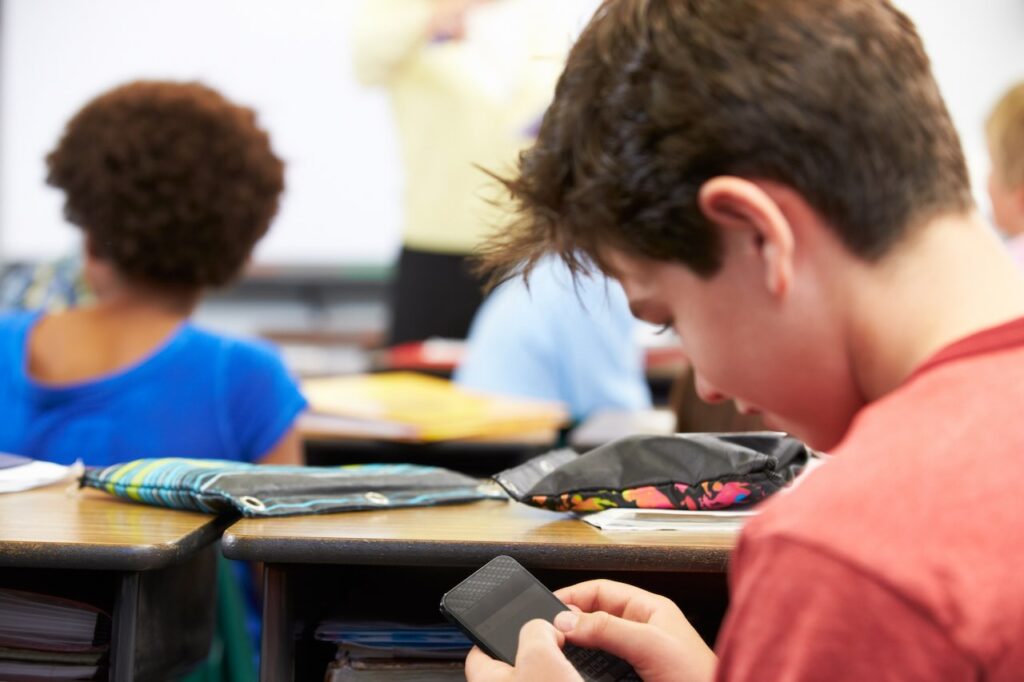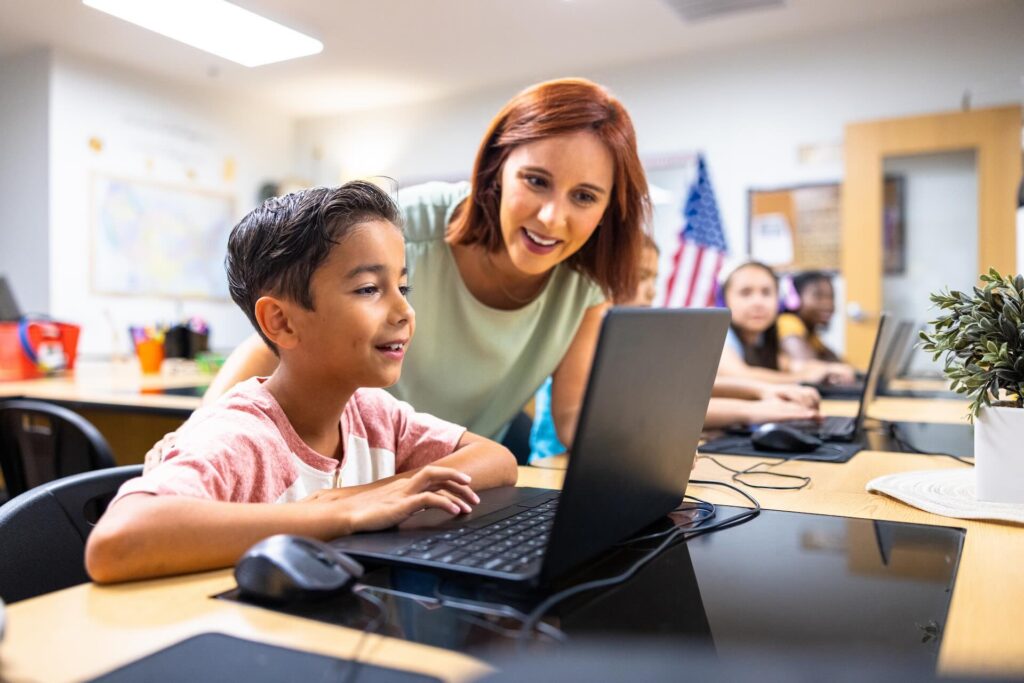


Screens are now part of everyday learning—even in the early grades. From tablets and apps to online videos, many primary classrooms use technology to support instruction.
While digital tools can enhance learning, many parents are asking an important question: How much screen time is too much for young children?
Is Screen Time Increasing in Schools?
The shift to online learning during the COVID-19 pandemic accelerated the use of technology in education. Even after returning to in-person classrooms, many of these tools remained in place.
Today, students may use screens to:
- Practice reading and math skills
- Watch instructional content
- Complete assignments
- Participate in interactive lessons
A recent article from The Hechinger Report explores how some parents are pushing back on the amount of screen time young students experience in school.
Are there benefits of technology in early learning?
When used with purpose, technology can:
- Provide instant feedback to support learning
- Reinforce reading and math skills
- Offer interactive, engaging lessons
This increase has left some parents surprised and concerned about how much time young students spend on devices during the school day.
Is Screen Time Bad for Young Learners?
Not necessarily. Technology can be a valuable educational tool when used with intention.
However, too much screen time can limit essential early learning experiences, such as:
- Social interaction with peers
- Hands-on problem-solving
- Practicing handwriting and fine motor skills
For primary students, these experiences are critical for building focus, confidence, and foundational academic skills.
Why Does Hands-On Learning Matter?
Young children learn best by doing. Hands-on, active learning helps students:
- Build stronger attention spans
- Develop critical thinking skills
- Strengthen fine motor abilities
- Engage more deeply with concepts
Activities such as reading physical books, writing, drawing, and working collaboratively help children process and retain information more effectively.
What Does a Healthy Screen Time Balance Look Like?
The goal isn’t to eliminate technology—it’s to use it wisely.
A balanced approach to screen time includes:
- Using devices for specific, purposeful learning tasks
- Limiting passive activities like extended video watching
- Encouraging discussion and interaction
- Ensuring regular off-screen learning time
When used thoughtfully, technology can support—not replace—meaningful learning.
How Can Parents Support Learning at Home?
If your child is already using screens at school, creating balance at home is key.
Try incorporating more screen-free activities, such as:
- Reading books together
- Playing math or logic-based games
- Writing stories or journaling
- Completing puzzles or hands-on challenges
- Talking about what they learned during the day
These activities reinforce academic skills while supporting healthy development.
When Should You Consider Extra Support?
Some students benefit from additional help beyond the classroom. Personalized academic support can:
- Strengthen reading, writing, and math skills
- Provide hands-on, interactive learning
- Build confidence and independence
Supporting Learning Beyond the Screen
Technology is here to stay—but it works best when balanced with real-world learning.
By combining thoughtful screen use with hands-on experiences, parents can help their children build strong skills, stay engaged, and develop the confidence they need for long-term success.
Find a location near you to learn how we can help your child succeed.