
Audiobooks, podcasts, and text-to-speech tools are everywhere—and for good reason. They’re convenient, engaging, and easy to fit into busy family schedules. With so many listening options available, many parents wonder: Can listening replace reading for learning?
It’s a smart question, especially for families focused on supporting their child’s academic growth. The short answer: listening and reading both help with understanding, but they build different learning skills. Knowing when and how to use each one makes a big difference.
What Happens in the Brain When Kids Read
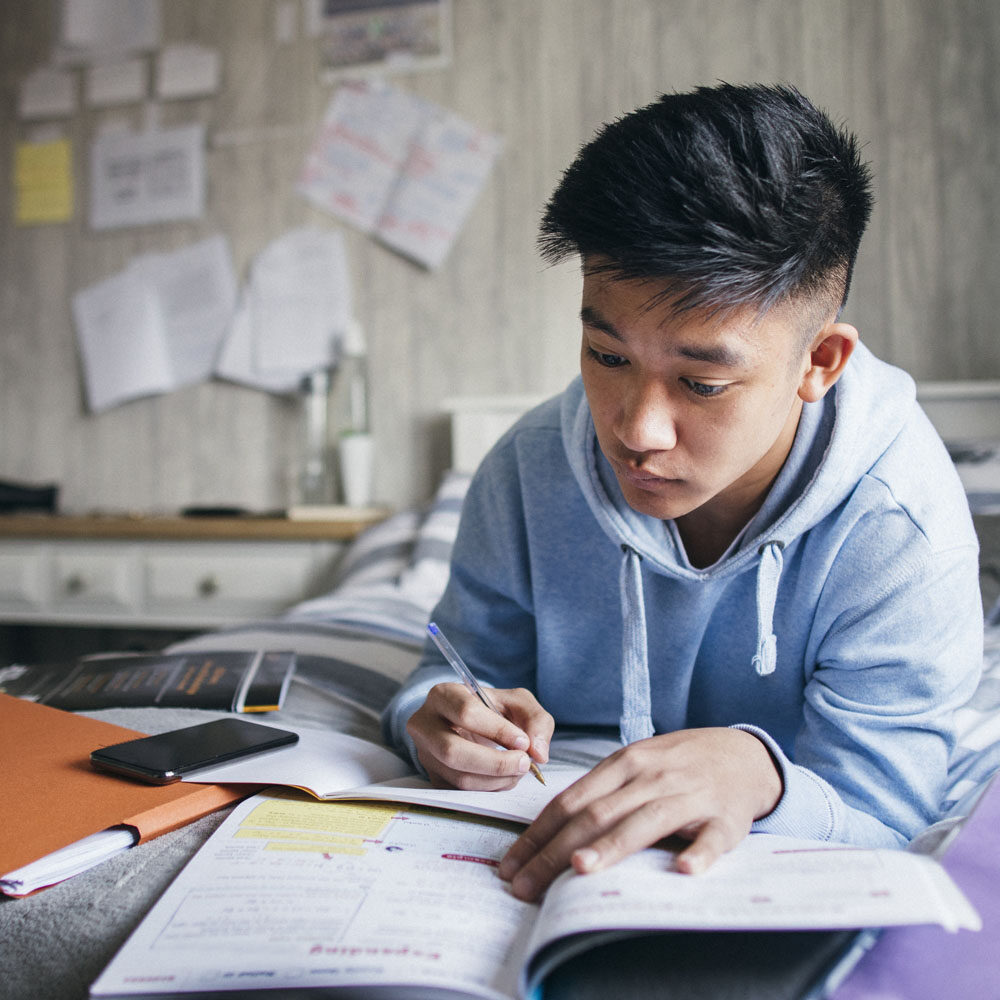
Reading is an active, complex process that goes far beyond recognizing words on a page. When a student reads, their brain is simultaneously working to:
- Identify letters and word patterns
- Link the written text to the sounds and meaning
- Follow ideas from sentence to sentence
- Interpret visual elements like punctuation, spacing, and headings
One of reading’s most significant advantages is the control it offers. Students can slow down, reread tricky sections, highlight key ideas, and jot down notes. This kind of interaction is essential for demanding material like science textbooks, nonfiction articles, and math word problems.
Because of this, strong reading ability is closely tied to overall academic performance—and it’s why effective tutoring programs continue to prioritize reading development.
How Listening Helps Students Learn
Listening-based learning—through audiobooks, recorded lessons, videos, or podcasts—supports comprehension in different ways. Instead of setting the pace themselves, students must process information as it’s delivered and rely on working memory to keep track of ideas.
Audio learning can be beneficial for:
- Students who have difficulty with decoding or reading fluency
- Reviewing material that’s already been taught
- Expanding general knowledge and vocabulary
- Increasing interest in stories and novels
That said, listening can be harder when the content is new, technical, or information-dense. Without a written structure to refer back to, students may struggle to analyze details or locate specific information later.
Focus Is the Real Game-Changer
One of the biggest differences between reading and listening isn’t the format—it’s attention.
Reading typically demands complete focus. Listening, on the other hand, is often done while multitasking: cleaning a room, scrolling on a phone, or playing a game. Research consistently shows that divided attention leads to weaker understanding.
In tutoring sessions, we often meet students who say they “listened to the chapter” but can’t explain what it was about. The problem usually isn’t audio learning itself—it’s passive listening.
To truly support learning, students need to actively listen by pausing, replaying sections, and taking notes when needed.
When Audio Learning Makes Sense
Listening tools can be invaluable when used with purpose. They tend to work best when:
- A student has reading challenges or learning differences
- Audio is paired with written text (like reading along with an audiobook)
- The material is a review rather than brand-new content
- The goal is engagement, confidence, or exposure—not skill-building
Used thoughtfully, audiobooks can help students enjoy learning again, especially those who feel frustrated or discouraged by reading.
Why Reading Skills Still Matter—A Lot
Even with high-quality audio tools, reading remains essential for success in school. Exams, assignments, instructions, and classroom resources are primarily text-based. Students need to read independently, understand directions, and analyze written information.
Regular reading practice helps build:
- Focus and mental stamina
- Vocabulary and deeper comprehension
- Critical thinking and problem-solving abilities
These skills don’t develop automatically—they grow with consistent practice and the proper support, often through personalized tutoring.
Learn about the best reading approach.
The Most Effective Approach: Combine Reading and Listening
The strongest learners don’t rely on just one method. They know how to use both reading and listening strategically:
- Read first to establish understanding
- Listen afterward to reinforce key ideas
- Use audio support when decoding slows comprehension
- Practice reading often to strengthen long-term skills
When used together, reading and listening can complement each other beautifully.
Need Support with Reading or Study Skills?
Both listening and reading play valuable roles in learning—but students get the best results when they know when and how to use each. With guidance from an experienced tutor, students can build stronger comprehension, focus, and confidence.
If your child is struggling with reading, attention, or effective study habits, targeted tutoring support can make a meaningful difference.
Get started today at a GradePower Learning location near you.