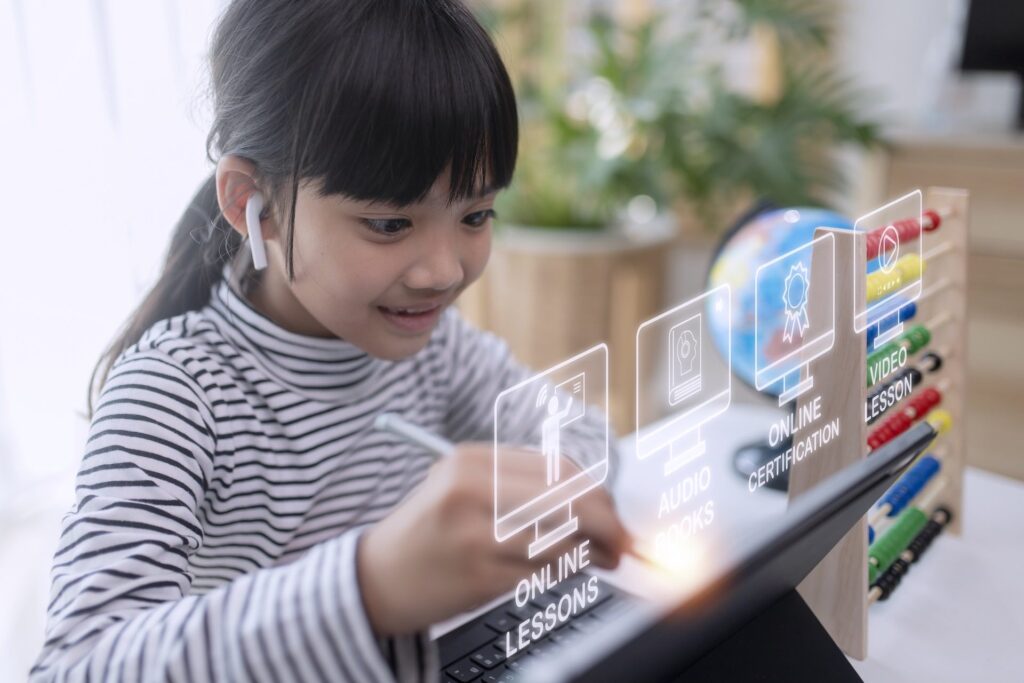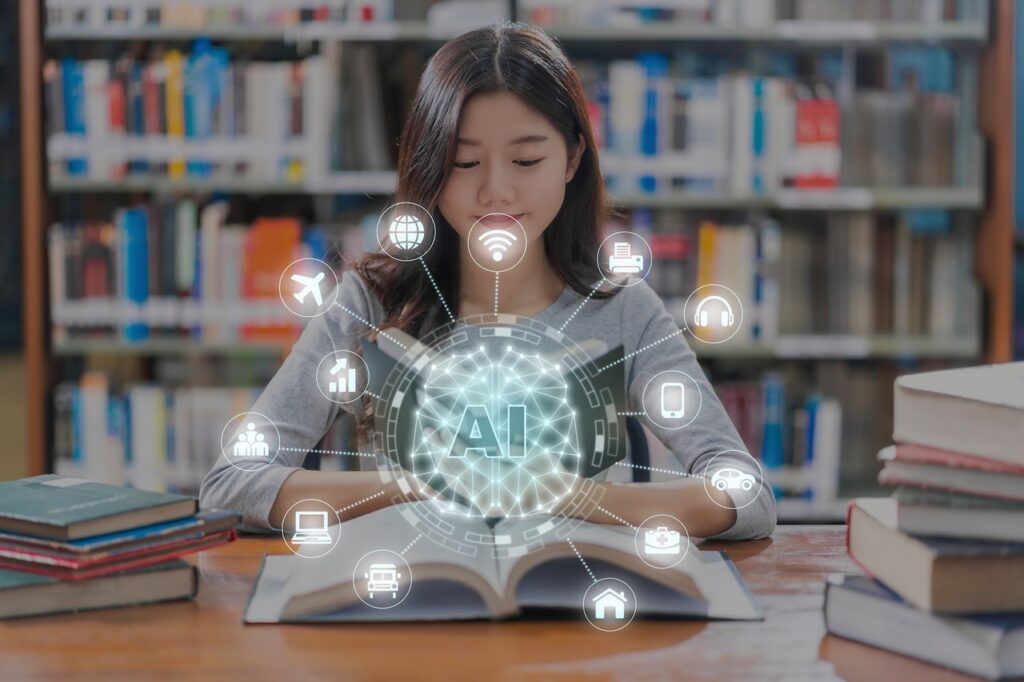


Artificial intelligence is reshaping modern education at an unprecedented pace. But is using AI in the classroom helping or hindering students?
From generating full essay drafts to solving complex algebra equations, AI tools are quickly becoming a daily presence in students’ schoolwork. When used thoughtfully, technology offers quick explanations and extra practice.
However, parents and educators must confront a vital question:
Are these tools helping children truly master concepts, or are they simply replacing the learning process?
While AI technology continues to advance, genuine academic success still depends on the power of the human brain.
Why Quick Answers Don’t Equal Real Learning
AI delivers instant results. Within seconds, a student can generate a completed outline, a polished paragraph, or a step-by-step solution.
However, reading a generated response does not create understanding. True comprehension happens when a student actively wrestles with a problem, makes mistakes, asks questions, and discovers why a concept works. That mental effort builds neural connections, improves retention, and fosters lasting confidence.
When technology eliminates productive challenge, students may finish homework faster, but they retain significantly less information over time.
What Current Research Reveals About AI and Learning
Recent studies highlight clear risks when students rely too heavily on automated tools:
- Lower Cognitive Engagement: Brain imaging and cognitive studies show that students using AI text generators exhibit less brain activity associated with deep thinking. As a result, they quickly forget the content they “wrote.”
- Decreased Independent Retention: Math research reveals a similar pattern. Students who complete assignments using step-by-step AI assistance often freeze when asked to solve identical problems without screen support.
- The Confidence Gap: Researchers note that tech-dependent students frequently believe they understand a subject, even when test results show significant learning gaps.
Essential Cognitive Skills for an AI-Driven Future
Future success will not belong to the students who know how to type prompts into a chatbot. Instead, long-term success demands strong foundational cognitive skills:
- Critical Thinking & Analysis
- Active Problem-Solving
- Strong Working Memory
- Sustained Focus and Attention
- Independent Reasoning
Over-relying on software to perform complex mental tasks weakens these exact cognitive muscles. Technology must support intellectual growth, not substitute for it.
Practical Guidance for Parents
Banning technology is neither realistic nor effective, as AI will play a role in higher education and future careers. Instead, parents can guide children toward healthy digital habits and active learning routines.
Encourage your child to:
- Work through a problem independently before turning to a device for help.
- Explain their step-by-step reasoning out loud.
- Read original texts rather than relying on automated summaries.
- Draft essays by hand or in a basic document processor without writing assistants.
- Take regular screen breaks to recharge their attention span.
These deliberate practices turn passive software users into resilient, self-directed learners.
The Power of Productive Struggle
Learning feels difficult at times—and that is a good thing!
When students work through confusion and reach a solution on their own, they build genuine confidence and resilience alongside academic skills.
This is why personalized instruction and mentorship remain indispensable. Effective tutors do not just deliver easy answers; they ask guided questions, encourage analytical thinking, and give students the tools to solve challenges independently.
Building Independent Thinkers for Tomorrow
Artificial intelligence will continue to transform classrooms and workplaces. However, the students who thrive in the future will be those who know how to analyze information critically, trust their own intellect, and think for themselves.
At GradePower Learning, our cognitive-based approach helps students strengthen foundational learning skills, build self-confidence, and become capable, independent thinkers ready for the future.
Because no matter how advanced technology becomes, the ability to think independently remains a child’s greatest asset.
To help your child develop robust, critical thinking skills for tomorrow, enroll in a GradePower Learning Program near you today!