
How much does building relationships in learning matter?
When we think of academic success, we think of having good grades, effective study habits, and completing homework on time. These are the obvious indicators of school success. But while these factors matter, one of the most powerful drivers of long-term success is often overlooked: positive, supportive relationships.
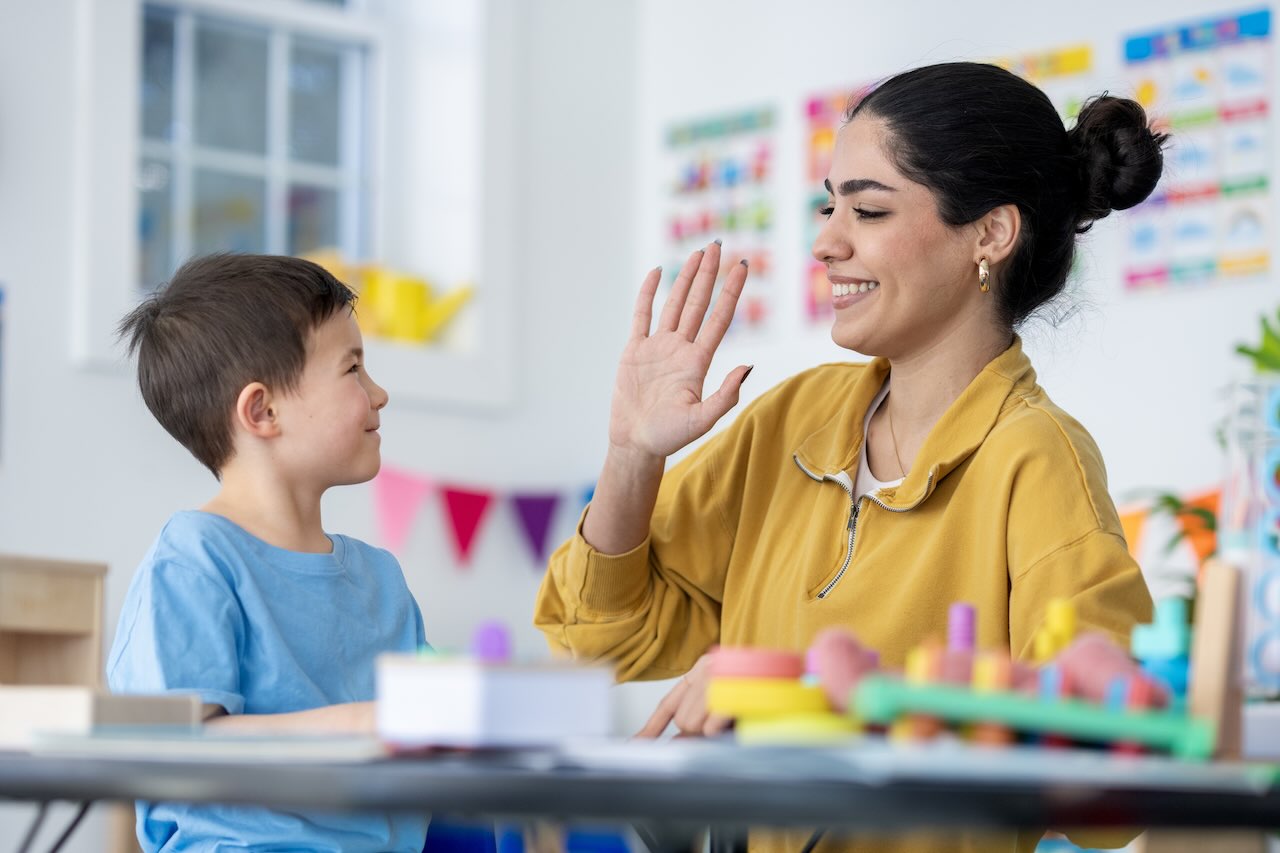
When students feel understood, encouraged, and valued by the adults around them, they become more confident learners. Whether that support comes from a parent, teacher, or tutor, meaningful relationships help children stay motivated, overcome challenges, and reach their full potential.
Students don’t thrive simply because they spend more time studying—they thrive because they have someone who believes in them.
The Connection Between Positive Relationships and Academic Success
Every child approaches learning differently. Some students need extra guidance to understand new concepts, while others benefit most from reassurance and encouragement.
Having a trusted adult to turn to helps students feel comfortable taking on academic challenges. As a result, they’re more likely to:
- Ask questions when they need clarification.
- Attempt difficult assignments without fear of making mistakes.
- Stay motivated during challenging lessons.
- Develop a more positive attitude toward learning.
- Build resilience when faced with setbacks.
When students know they have support, they become more willing to take risks—and that’s where meaningful learning begins.
Confidence Drives Student Achievement
Many learning challenges begin with a loss of confidence rather than a lack of ability.
After struggling with a subject, some students begin to believe they’re “just not good” at math, reading, or writing. Those negative beliefs can quickly affect motivation, participation, and overall academic performance.
Positive reinforcement helps break that cycle.
By recognizing effort, celebrating progress, and providing guidance rather than focusing on outcomes, educators and tutors help students rebuild self-confidence. As confidence grows, students become more independent, participate more actively, and approach new challenges with a stronger mindset.
Personalized Learning Helps Students Reach Their Potential
Teachers work hard to support every student in their classroom, but large class sizes and limited time can make individualized instruction difficult.
Personalized tutoring fills that gap by focusing on one student’s unique learning needs.
A customized learning program can:
- Adjust teaching methods to match different learning styles.
- Present concepts using multiple strategies.
- Move at a pace that supports understanding.
- Offer immediate feedback and encouragement.
- Strengthen study habits and independent learning skills.
This individualized approach helps students develop both stronger academic skills and greater confidence.
A Safe Learning Environment Encourages Growth
Students learn best when they feel comfortable making mistakes.
Trying something new naturally involves trial and error, but children who worry about giving the wrong answer may hesitate to participate or ask for help.
A supportive learning environment changes that.
When students understand that mistakes are a normal part of learning, they become more willing to ask questions, solve problems, and try again after setbacks. Over time, they develop resilience, critical thinking skills, and greater confidence in their abilities.
How Parents Help Build Lifelong Learners
Learning continues long after the school day ends, and parents play a vital role in supporting academic success.
Simple daily habits can make a lasting difference, including:
- Reading together regularly.
- Creating consistent homework routines.
- Encouraging curiosity and problem-solving.
- Talking positively about school and learning.
- Praising effort, perseverance, and improvement instead of focusing only on grades.
When parents, teachers, and tutors work together, students receive consistent encouragement that supports both academic growth and emotional well-being.
Technology Supports Learning, But People Make It Meaningful
Educational technology provides students with practice activities, instructional videos, and interactive learning tools that reinforce classroom lessons.
However, digital resources work best when paired with personal guidance.
A tutor can recognize frustration, adjust explanations, answer follow-up questions, and adapt instruction in real time. That personal connection keeps students engaged and ensures they receive the support they need to succeed.
Technology is a valuable learning tool, but it cannot replace meaningful human interaction.
Tutoring Can Help Students Build Confidence for Life
Academic success is about more than earning higher grades. It’s about helping students develop the confidence, resilience, and learning skills they’ll use throughout their lives.
Positive relationships provide the encouragement students need to believe in themselves, overcome obstacles, and enjoy learning. When children feel supported, they’re more likely to stay motivated, embrace challenges, and achieve their goals.
A personalized tutoring program can strengthen academic skills while building the confidence and independence that lead to lasting success. By combining individualized instruction with caring, supportive mentors, students gain the tools they need to thrive both in and out of the classroom.
Discover how building a stronger relationship in learning can lead to better grades.
Contact a GradePower Learning location near you to learn more.