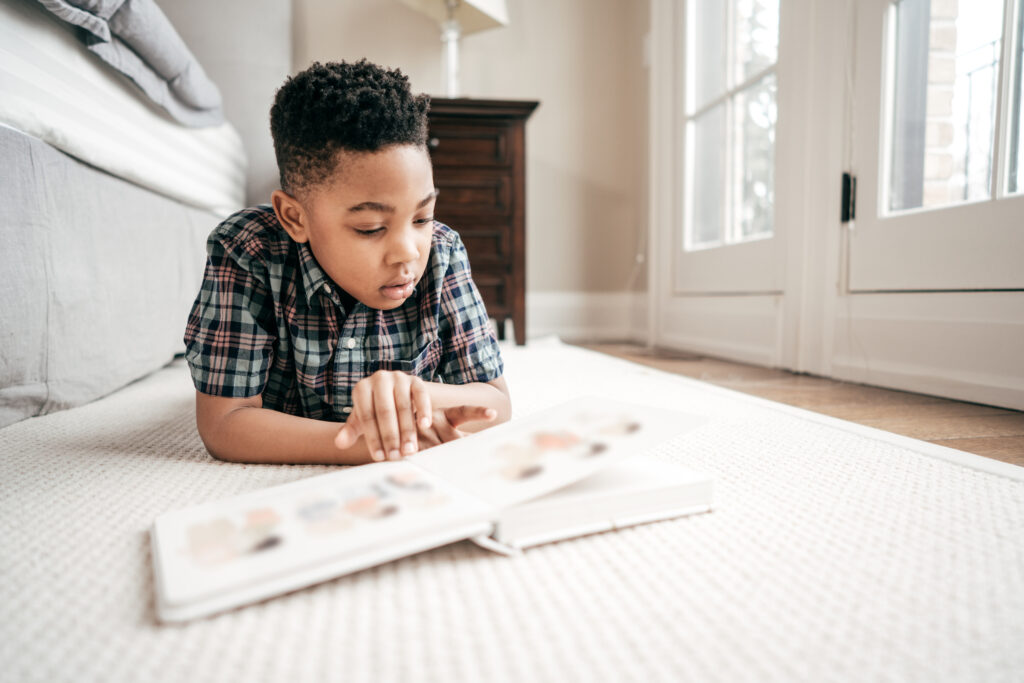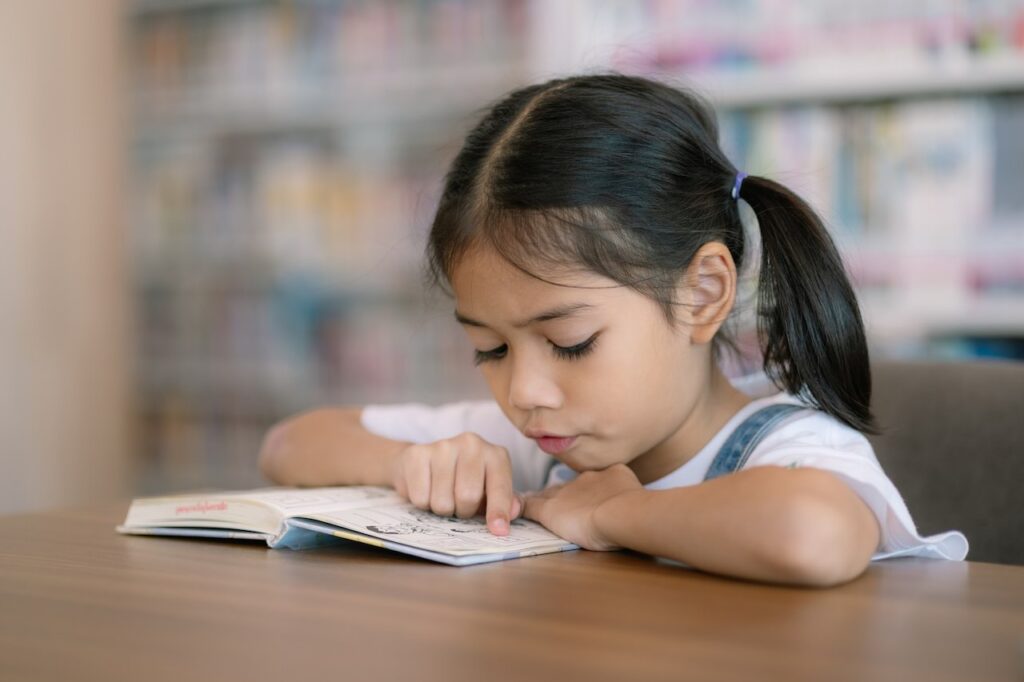

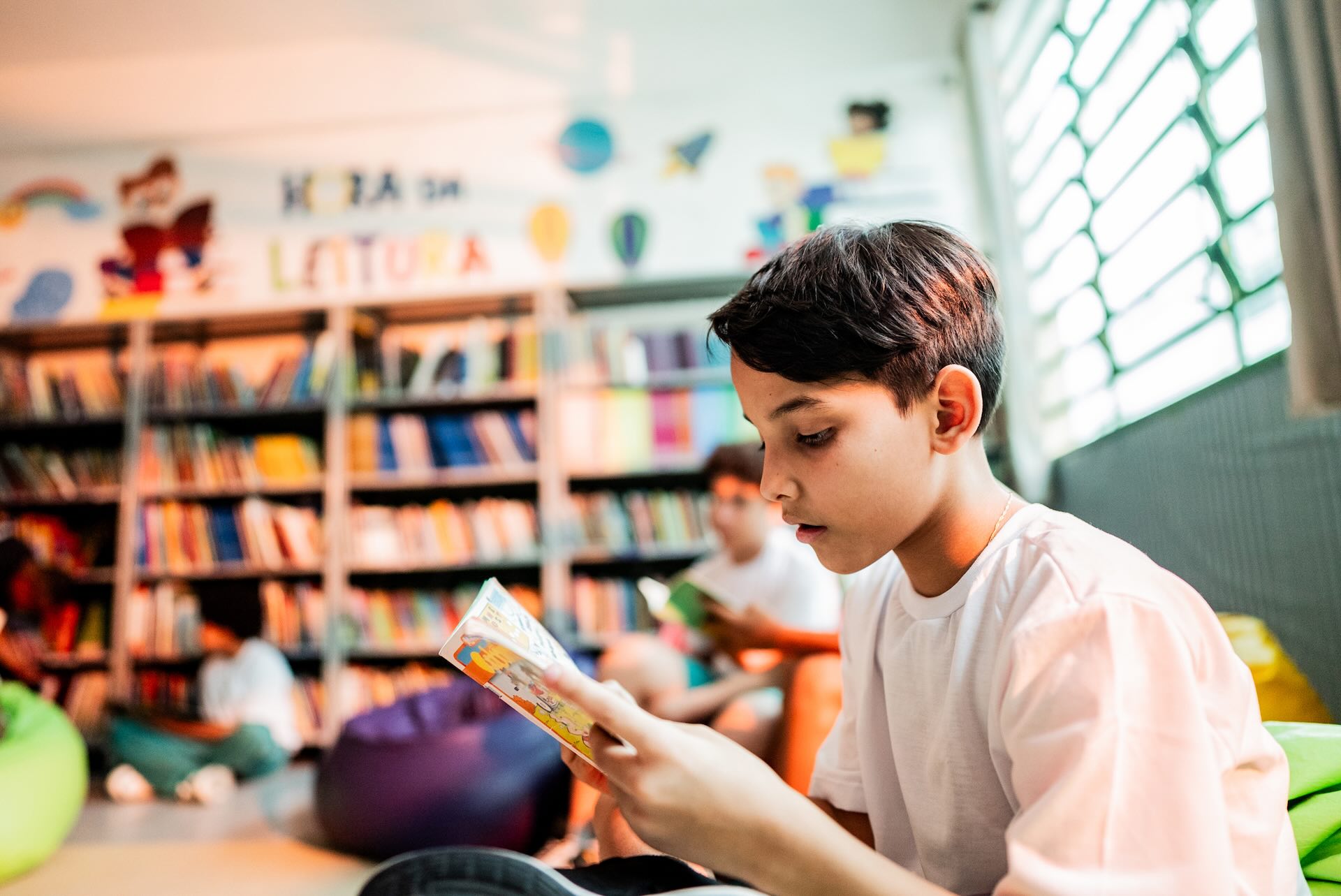
Can Graphic Novels be the solution to improve boys’ reading? For years, educators have noticed a consistent trend: many boys struggle more with reading than girls do. Across classrooms and grade levels, boys are often less engaged with reading and may fall behind in literacy development over time.
This ongoing gender reading gap continues to spark conversations among teachers, parents, and education experts. Schools across the United States are exploring new ways to help boys build stronger reading habits, improve comprehension, and develop greater confidence as readers.
One strategy continues to stand out: graphic novels.
Understanding the Reading Gap
Concerns about boys and literacy are not new. Researchers have long examined why many boys lose interest in reading earlier than girls and why some struggle to stay motivated in traditional classroom environments.
Experts often point to several contributing factors, including differences in learning style, lower reading engagement, and limited access to books that genuinely capture students’ attention.
That’s why many educators now encourage students to read materials that match their interests and learning preferences. For many boys, graphic novels offer exactly that.
Why Boys Gravitate Toward Graphic Novels
Graphic novels combine visual storytelling with written text, creating a reading experience that feels fast-paced, engaging, and accessible. The illustrations help readers follow the storyline, understand emotions, and stay connected to the action.
But graphic novels are far more than “easy reading.”
Strong graphic novels still require readers to analyze characters, interpret meaning, follow plot development, and make inferences. Readers must connect images and text together to fully understand the story.
For boys who feel discouraged by long blocks of text, graphic novels can reduce frustration while still encouraging meaningful reading practice.
Can Graphic Novels Improve Literacy Skills?
In a world where literacy rates are dropping, and fewer students than ever are reading at all, can graphic novels offer a solution? According to the Scholastic Kids & Family Reading Report™, the number of students who say they want to read graphic novels has risen from 22% to 37%, making it one of the fastest-growing book formats.
When used thoughtfully, graphic novels can support literacy growth in several important ways.
Graphic novels can help students:
- Build reading confidence
- Increase reading stamina
- Improve comprehension skills
- Strengthen vocabulary development
- Practice inference and critical thinking
- Develop a stronger interest in independent reading
Graphic novels also introduce students to literary elements such as tone, pacing, symbolism, dialogue, and tension. In many cases, they help reluctant readers discover that reading can actually feel enjoyable.
Graphic Novels Should Support Reading Growth—Not Replace It
While graphic novels can motivate struggling readers, they should complement a balanced reading experience rather than replace other forms of reading altogether.
Students still need opportunities to:
- Read longer passages of text
- Develop deeper concentration
- Expand vocabulary knowledge
- Practice analytical thinking
- Engage with a variety of reading materials
Graphic novels can serve as a bridge, helping students build stronger overall literacy skills and greater reading confidence.
Avoiding Reading Stereotypes
It’s important to avoid labelling certain types of books as “for boys” or “for girls.” Every child develops reading interests differently.
Some boys love traditional novels. Some girls prefer graphic novels. Many students enjoy both.
Reading success depends less on gender and more on finding materials that encourage engagement, curiosity, and confidence. With the right support, all students can become capable and motivated readers.
Why Graphic Novels Deserve a Place in All Bookshelves
Graphic novels can play an important role in helping reluctant readers reconnect with reading. For students who struggle with motivation, confidence, or attention during reading tasks, comics and graphic novels often provide an approachable starting point.
Whether students read them at home, in school, or as part of a tutoring program, graphic novels can help build positive reading habits that support long-term literacy development.
Strong readers are built through encouragement, practice, and personalized support. When students feel engaged in what they read, they are far more likely to continue reading and strengthen their skills over time.
If your child struggles with reading confidence, comprehension, or motivation, personalized learning support at GradePower Learning can help build the skills needed for long-term success.
Find a location near you and help your child begin to build better reading skills today!