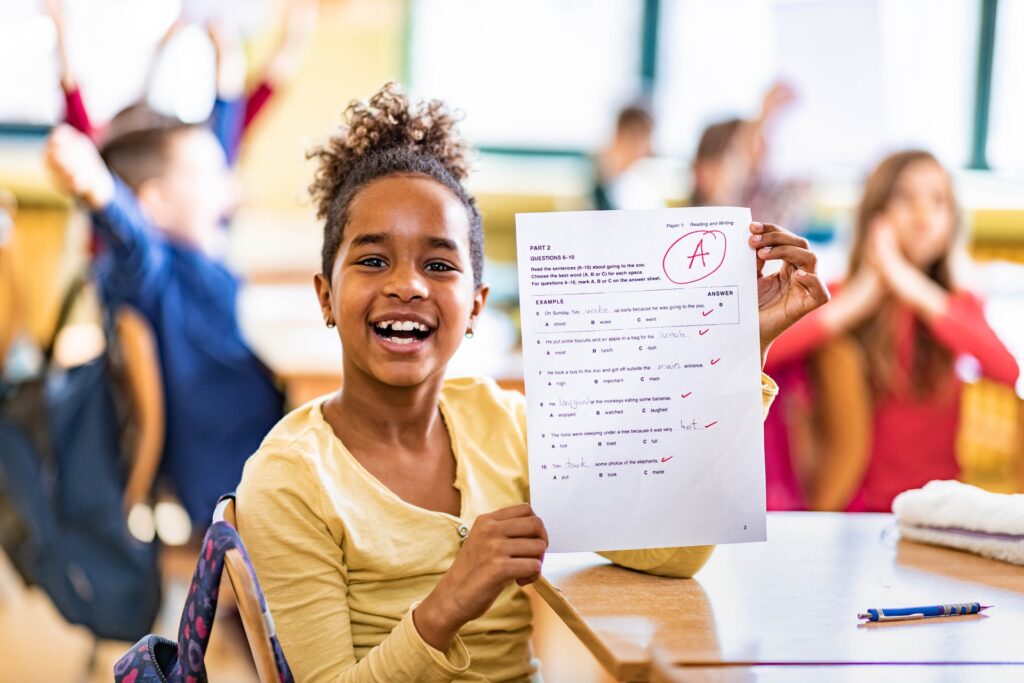


Report Card season is here—what’s your action plan?
Whether students have been out of class for a couple of weeks, a couple of days, or still have a couple of weeks left, this time of year is synonymous with Report Cards.
For many parents, report card season can bring a wide range of emotions. Some families celebrate progress, while others feel uncertain about what the comments and grades may mean for their child’s future success.
But a report card is about much more than marks on a page. It offers valuable insight into your child’s academic development, learning habits, and classroom performance. More importantly, it can help families identify the next steps to support learning growth over the summer and into the next school year.
When parents understand the full picture behind the grades, they can make more informed decisions that help children build stronger skills and greater confidence.
Why Report Cards Matter Beyond Grades
Percentages and letter grades often draw the most attention first, but teacher comments usually provide the clearest picture of how a student is progressing in school.
Educators frequently include observations about:
- Organization and work habits
- Classroom participation
- Reading and comprehension skills
- Writing development
- Math reasoning and problem-solving
- Independence and confidence
These comments can reveal both strengths and learning gaps that may not be apparent on a final grade alone.
For example, a student may earn acceptable marks while still struggling with focus, study habits, or reading comprehension. Identifying those challenges early can help prevent more serious academic difficulties later.
Common Report Card Comments Parents Often See
As the school year comes to a close, many report cards contain similar patterns in teacher feedback. Understanding what these comments may indicate can help parents respond more effectively.
“Needs to improve focus.“
This often suggests the student understands the material but has difficulty maintaining attention, staying organized, or managing distractions during classwork and homework.
“Would benefit from additional practice.“
Teachers commonly use this phrase when foundational skills in reading, writing, or math need further reinforcement.
“Struggles with problem-solving.”
Students may understand basic concepts but struggle to apply their knowledge to more advanced or multi-step questions.
“Needs greater confidence.”
Some children hesitate to participate, ask questions, or attempt challenging work because they lack confidence in their abilities.
These challenges are extremely common among students and can be improved significantly with the right learning support and strategies.
How Parents Can Respond to Report Card Feedback
Rather than viewing report cards as a final judgment, families can use them as a roadmap for improvement and growth.
Here are several productive ways parents can support their child after receiving a report card:
Start With a Positive Conversation
Talk openly and supportively with your child about the school year. Ask which subjects felt easiest, which felt difficult, and how they feel about their progress overall.
Identify the Root Learning Challenge
Try to determine whether the main issue involves reading comprehension, math skills, organization, study habits, writing, or confidence. Understanding the underlying challenge helps guide the next steps.
Connect With the Teacher
Teachers can often provide valuable insight into classroom performance, learning behaviors, and strategies that may help your child improve.
Develop a Targeted Learning Plan
A structured learning plan focused on strengthening core academic skills can help students close learning gaps and feel better prepared for the next school year.
Why Summer Is an Ideal Time to Strengthen Skills
Many families wait until the fall to address academic concerns, but summer can actually provide one of the best opportunities for learning improvement.
Without the daily pressure of homework, quizzes, and tests, students often have more time and flexibility to focus on skill development at a comfortable pace.
Summer learning support can help students:
- Improve reading comprehension
- Strengthen writing skills
- Build stronger math foundations
- Develop better study habits
- Improve organization and time management
- Increase academic confidence
Summer tutoring can also help reduce learning loss, often called the “summer slide,” where students forget some of the progress they made during the school year.
How Summer Academic Support Builds School Year Confidence
One of the biggest benefits of academic support is the confidence students gain as their skills improve.
When children better understand what they are learning and develop effective strategies for schoolwork, they often become more motivated and engaged in the classroom.
Instead of beginning the next school year feeling discouraged or overwhelmed, students can return feeling prepared, capable, and ready to succeed.
Learn more about how summer can be your child’s secret power here.
Using Report Card Season as a Fresh Start
A report card does not define a child’s intelligence or long-term potential. Instead, it provides helpful information about where additional support, practice, and encouragement may be beneficial.
With the right guidance and learning strategies, students can continue developing the skills they need to succeed both academically and personally.
Report card season is not the end of the story. It is an opportunity to create a stronger path forward for the year ahead. We can help!
Find a location near you to enroll today!